Certification
Micro Credentials Program
Mode of Study
100% Online | 05 Hours of Live Sessions
Learning Medium
English
Some of the most vulnerable people in a crisis, like survivors of violence, abuse, and trauma, do not encounter the justice system in a courtroom first, but in a hospital room. Forensic nurses are the professionals who bridge that gap. This program prepares you to be one of them.
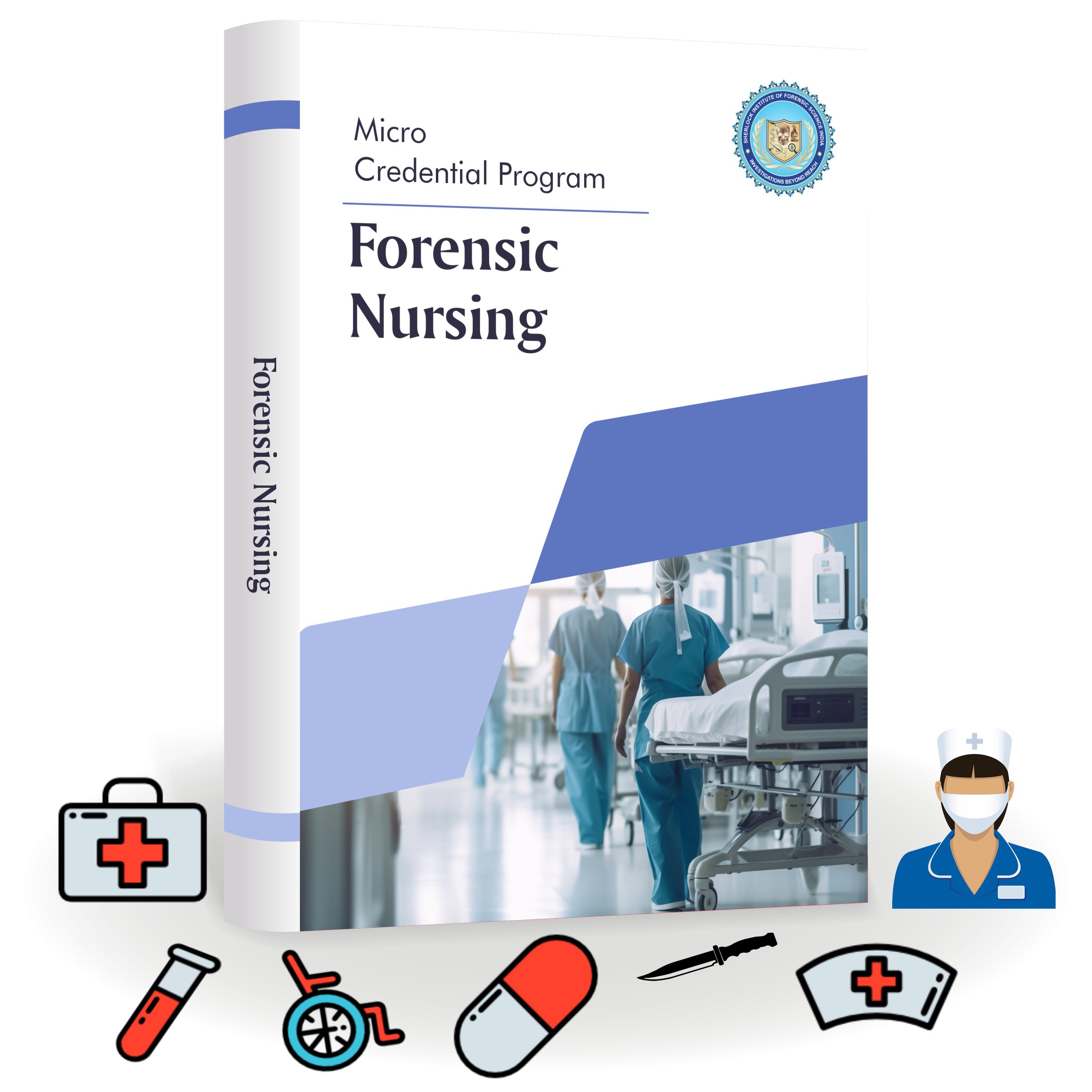
The Micro Credential Program in Forensic Nursing is a specialized course that provides an overview of how healthcare and the law intersect with each other. This course is for you if you want to ensure that the care you provide also helps deliver justice for the people who need it most.
You will start with the foundations, where forensic nursing came from, what it encompasses, and how it fits within the broader criminal justice system. You will also explore the critical relationship between healthcare professionals and law enforcement and how effective collaboration in sensitive cases can make all the difference for a victim's outcome, both medically and legally.
The course also focuses on how to recognize and respond to abuse, especially among the vulnerable part of society, children and the elderly. You will learn how to identify signs that something is wrong, conduct careful assessments, and use interview techniques that gather what's needed without causing further harm.
The program then moves into the specific contexts of sexual violence and domestic violence, areas where forensic nursing is perhaps most critical. You will gain insights about trauma-informed care, evidence collection, thorough documentation, and risk assessment, all while holding empathy, psychological awareness, and cultural sensitivity at the center of your practice.
You will also get an understanding of the procedural side of forensic work, like maintaining chain of custody, documenting medical findings with legal precision, and, when the time comes, presenting expert testimony in court with confidence and clarity.
You will learn ethical and legal aspects related to the profession that will prepare you to handle complex, emotionally charged situations with both professionalism and genuine compassion.
By the end of this program, you will be equipped to stand in one of the most important spaces in the justice system, the space between a patient who has been hurt and a system that needs to hear their story.
Become Proficient to Answer:
- What is forensic nursing, and how does it connect healthcare practice with legal investigations?
- What roles and responsibilities do forensic nurses have in criminal and medico-legal cases?
- What are the different types of abuse affecting vulnerable populations such as children and the elderly?
- How can forensic nurses identify, assess, and document cases of abuse effectively?
- What interview techniques can be used to minimize trauma during victim interaction?
- What challenges arise when communicating with victims of abuse, particularly the elderly and children?
- How do forensic nurses contribute in cases of sexual violence, and what are their key responsibilities?
- What is trauma-informed care, and why is it essential in handling victims of violence?
- How is forensic nursing applied in domestic violence cases, including evidence collection and risk assessment?
- What role does cultural sensitivity play in providing care to diverse victims?
- How is evidence collected, preserved, and maintained through the chain of custody in forensic nursing?
- What are the legal and ethical responsibilities of forensic nurses in medical and legal settings?
- How do forensic nurses present expert testimony in court based on medical findings?
Learning Outcomes:
Forensic Nursing Fundamentals: Develop a strong understanding of forensic nursing concepts, roles, and its integration within healthcare and legal systems.
Evidence Collection and Documentation: Gain practical skills in identifying, collecting, preserving, and documenting forensic evidence while ensuring its legal validity.
Victim-Centered Care Skills: Learn to provide compassionate and trauma-informed care to victims of violence, abuse, and trauma.
Abuse Assessment and Intervention: Build the ability to recognize signs of abuse, conduct assessments, and apply appropriate intervention strategies.
Interdisciplinary Collaboration: Understand the importance of working alongside law enforcement, legal professionals, and forensic experts.
Legal and Ethical Competence: Acquire knowledge of ethical principles, legal responsibilities, and courtroom procedures related to forensic nursing practice.
Course Details: Access to a Wide Range of Resources like recorded lectures, notes and other study materials.
Course Details: Access to a Wide Range of Resources like recorded lectures, notes and other study materials.
Fee | National: 2950 INR (2500 INR + 18% GST) International: 40 USD |
Duration | 5 Days |
Eligibility | Students and Professionals |
Session Timing | 1 Hour Daily |
Payment Details:
International Student : PayPal: forensicdocument@gmail.com
Account Details for National Student
Bank Name - ICICI BANK
Acc. Name - SIFS INDIA PVT. LTD.
Account No. - 663505500086
Type - Current
IFSC Code - ICIC0000160
Address - ICICI Bank, H-4, Model Town -III, New Delhi - 110009